
Facts About Haiti: 15 Things to Know
Haiti is often in the news for hard reasons, but there is much more to this country than headlines. It is the nation that won its freedom in one of the most remarkable revolutions in history, a place of mountains, music, faith and a famous pumpkin soup. Here are 15 facts about Haiti, its history, culture and people, plus a closer look at Gonaïves, the city where our orphanage and school serve children every day.
The short answer
Haiti is a Caribbean country on the western third of the island of Hispaniola. Its capital is Port-au-Prince and it is home to about 12 million people. Haiti declared independence on January 1, 1804, becoming the first nation founded after a successful revolt of enslaved people and the first Black republic in the world. Its official languages are Haitian Creole and French.
In this article
Haiti at a Glance
Facts About Haitian History
Haiti was born from a revolt of enslaved people
The Haitian Revolution began in 1791, when enslaved people in the French colony of Saint-Domingue rose up against colonial rule. Led by figures such as Toussaint Louverture and Jean-Jacques Dessalines, the struggle lasted until 1804 and ended with the defeat of the French army.
It was the second independent nation in the Americas
Only the United States declared independence earlier. Haiti became the first Black republic in the world, and its independence inspired freedom movements across the Caribbean and Latin America.
Independence was declared in Gonaïves
On January 1, 1804, Jean-Jacques Dessalines read the Act of Independence on the Place d'Armes in Gonaïves. That is why the city is still called La Cité de l'Indépendance, the City of Independence.
The flag has its own holiday
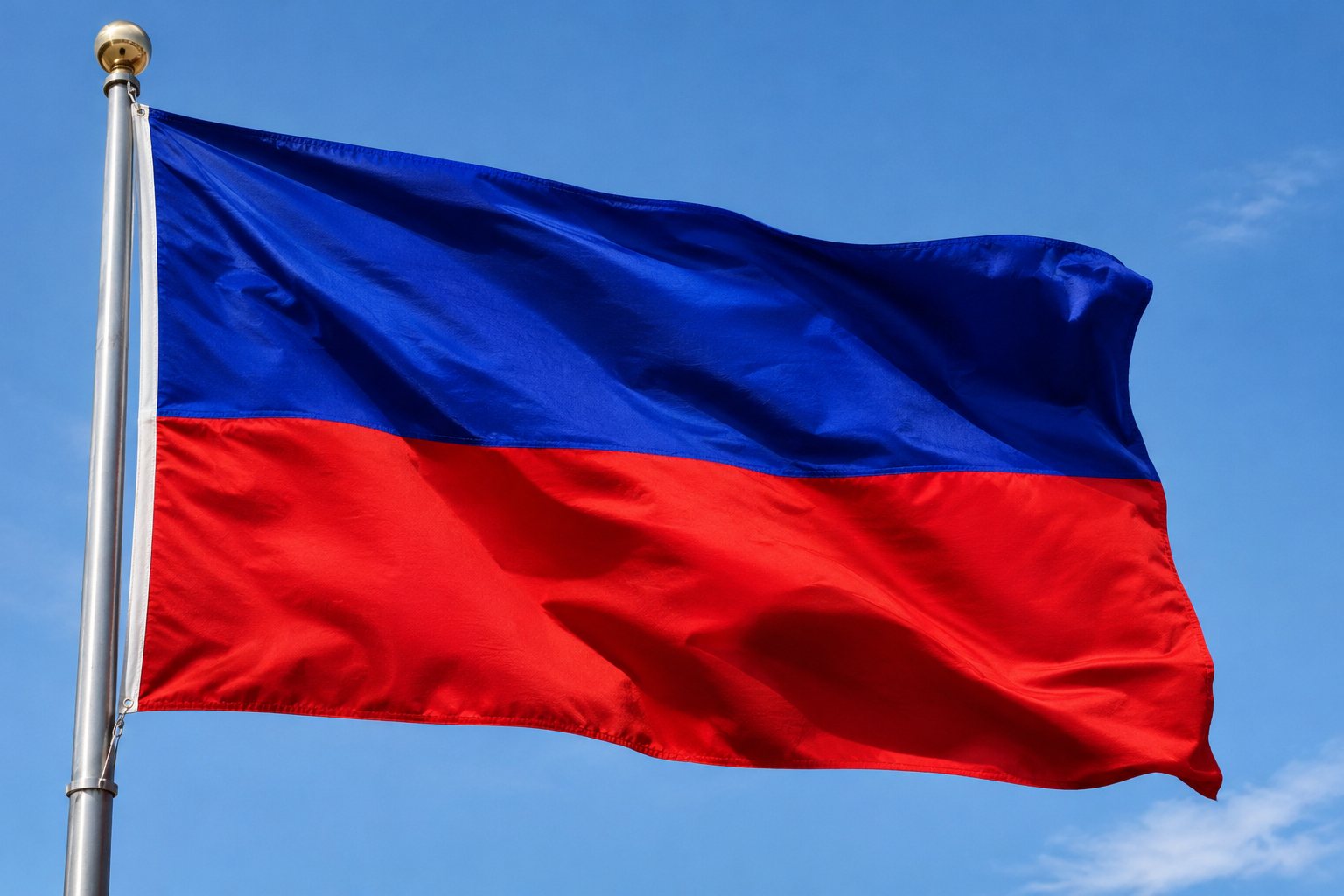
According to tradition, the blue and red flag was created on May 18, 1803, in the town of Arcahaie, when the white band was torn from the French tricolor. Haitians celebrate Flag Day every year on May 18.
The Citadelle is a symbol of freedom
High on a mountain in northern Haiti stands the Citadelle Laferrière, a huge fortress built after independence under Henri Christophe. Together with the Sans-Souci Palace and Ramiers, it is a UNESCO World Heritage Site, described as one of the first monuments built by formerly enslaved people who had won their freedom.
Facts About Haitian Culture
Almost everyone speaks Haitian Creole
Haiti has two official languages. French is used in government, schools and business, but Haitian Creole (Kreyòl) is the language nearly everyone speaks at home and on the street. Creole became an official language in the 1987 constitution.
Soup joumou is a taste of freedom
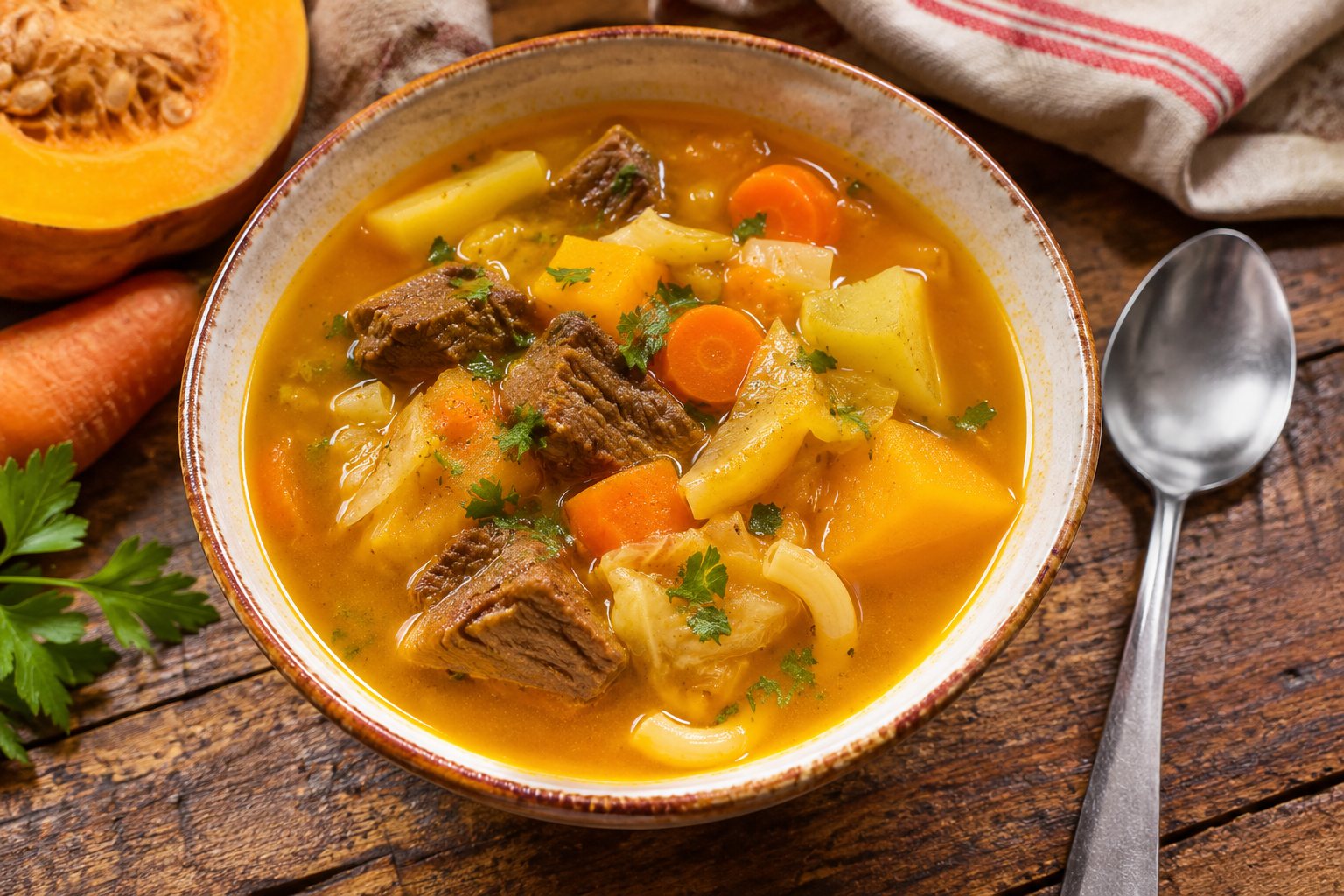
On January 1, Haitian families eat soup joumou, a rich pumpkin soup. During colonial times it was a dish enslaved people were not allowed to eat, so after independence it became a celebration of freedom. In 2021 it was added to UNESCO intangible cultural heritage.
Faith is part of daily life
Christianity shapes life in Haiti. Churches are full on Sunday mornings, gospel music fills the air, and many schools and community programs are run by churches and Christian ministries.
Haitian art and music are famous worldwide
Haitian paintings are known for their bright colors and scenes of village life, markets and faith. Kompa, a dance music born in Haiti in the 1950s, is played at parties across the Caribbean and in Haitian communities around the world.
Christmas is called Nwèl
Haitian Christmas is centered on church services, family and music. Children carry fanals, handmade paper lanterns that light up neighborhoods during the holidays. Read more in our article Christmas for Orphans in Haiti.
Facts About Haiti's Land and Everyday Life
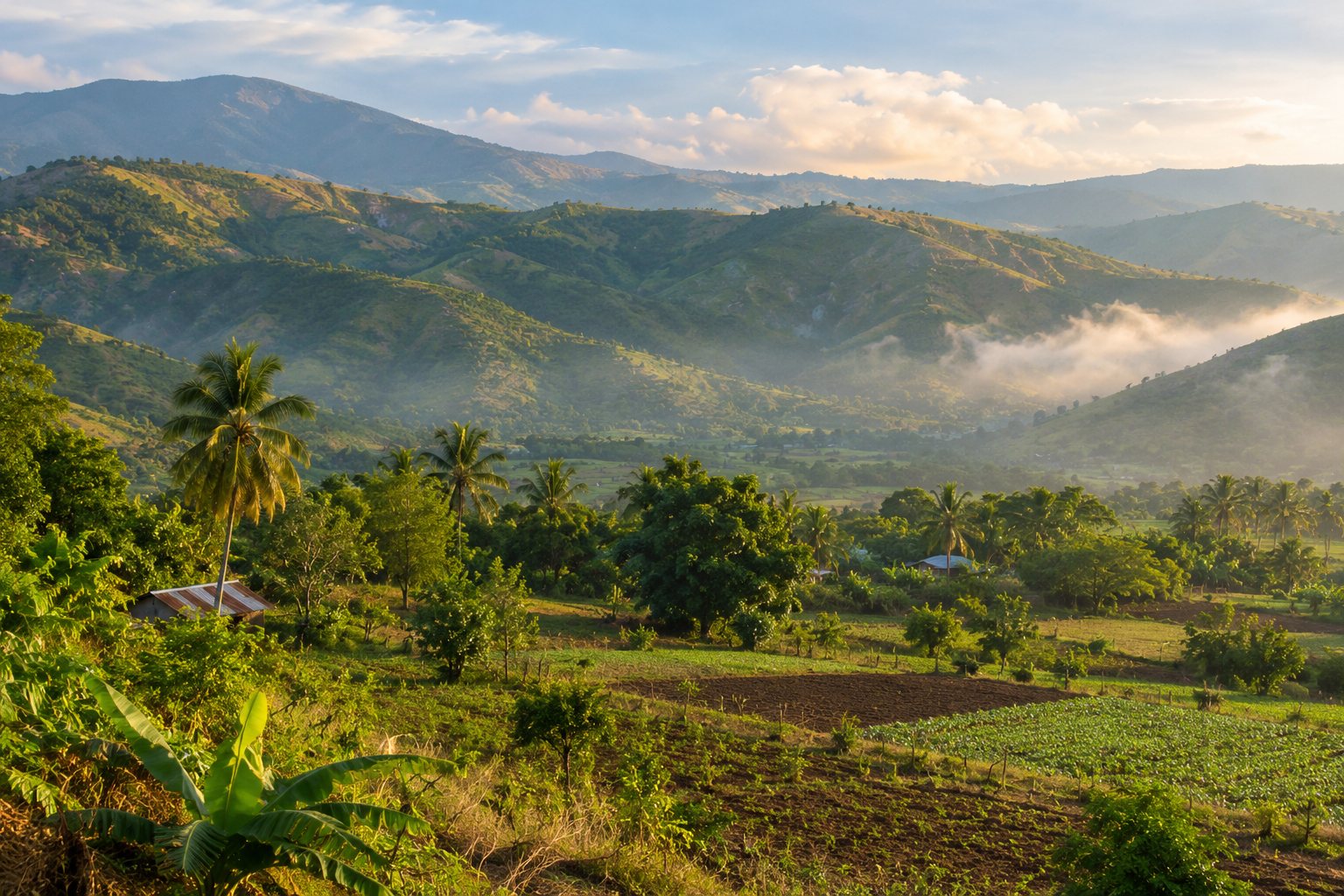
Haiti means land of mountains
The name comes from Ayiti, the word the native Taíno people used for the island, usually translated as land of high mountains. It fits: much of the country is mountainous, and its highest peak, Pic la Selle, rises to 8,793 feet.
Two countries share one island
Haiti covers the western third of the island of Hispaniola. The Dominican Republic covers the rest. The two nations share a long border but have different languages, histories and cultures.
It is a young country
Haiti's population is very young: the median age is about 24 years. Children and teenagers make up a large share of the people, which makes schools and child care especially important.
Most schools are private
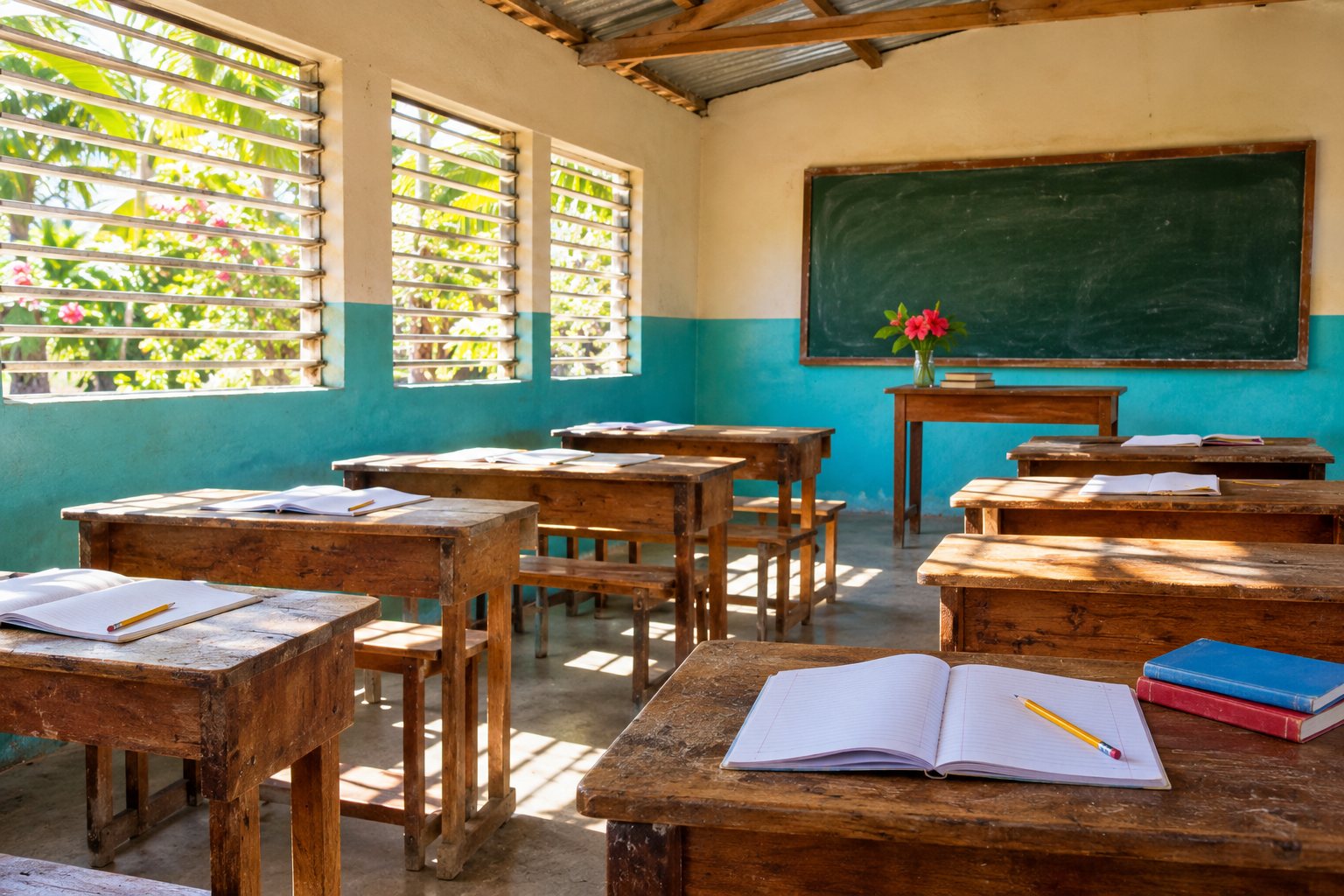
According to the World Bank, about 90% of schools in Haiti were private in the early 2000s, and families spent on average about $130 a year to send a child to school. For many families that is a heavy cost, so church and community schools play a big role in keeping children learning.
Gonaïves, the City of Independence
Gonaïves is where our story happens
Gonaïves is the capital of the Artibonite department, on the coast of the Gulf of Gonâve. The 2015 census counted about 356,000 people in the city. Its location on a flood plain has made it vulnerable to storms: Hurricane Jeanne in 2004 and the 2008 hurricane season brought severe flooding. Through all of it, families here have kept rebuilding, and it is here that Loving God Orphan Corporation cares for children.
Quick Quiz: How Well Do You Know Haiti?
Test yourself, then tap each question to see the answer.
1. What is the capital of Haiti?
AnswerPort-au-Prince.
2. In which year did Haiti declare independence?
Answer1804, on January 1.
3. In which city was independence declared?
AnswerGonaïves, known as the City of Independence.
4. What do Haitian families eat on January 1?
AnswerSoup joumou, a pumpkin soup that celebrates freedom.
5. Which country shares the island of Hispaniola with Haiti?
AnswerThe Dominican Republic.
Where Loving God Orphan Corporation Fits In
Loving God Orphan Corporation is a Christian 501(c)(3) nonprofit that serves orphaned and vulnerable children in Gonaïves. 23 children live in our orphanage, and more than 200 students learn in our school. We provide a safe home, daily meals, education and spiritual care, 365 days a year.
When you learn about Haiti, you start to see the people behind the facts. If you would like to stand with the children of Gonaïves, you can learn about our mission, meet our kids or see daily life in our photo gallery.
Want to help a child in Gonaïves? A gift of any size helps provide meals, school supplies and daily care.
Donate SecurelyFrequently Asked Questions
What is the capital of Haiti?
The capital of Haiti is Port-au-Prince, the largest city in the country. It sits on the Gulf of Gonâve on the west coast.
What language do people speak in Haiti?
Haiti has two official languages, Haitian Creole and French. Haitian Creole is spoken by nearly everyone, while French is used mainly in government, schools and business.
When did Haiti become independent?
Haiti declared independence from France on January 1, 1804, after the Haitian Revolution that began in 1791. It was the second independent nation in the Americas, after the United States.
Why is Gonaïves called the City of Independence?
Because Jean-Jacques Dessalines read Haiti's Act of Independence in Gonaïves on January 1, 1804. The city is still known as La Cité de l'Indépendance.
Is Haiti part of the Dominican Republic?
No. Haiti and the Dominican Republic are two separate countries that share the island of Hispaniola. Haiti covers the western third of the island.
Behind Every Fact Are Children With Big Dreams
In the City of Independence, 23 children call our orphanage home and more than 200 students learn in our school. Your support helps give them meals, education and a place where they are loved.
Support the Children of GonaïvesPrefer GoFundMe? Give through our campaign
Secure payment through PayPal or GoFundMe | Registered 501(c)(3) nonprofit, Tax ID 47‑2339657
Sources: World Bank, UNESCO World Heritage Centre, UNESCO Intangible Cultural Heritage, United Nations population estimates and the 2015 Haitian census.