
Haitian Food: 12 Traditional Dishes to Know
Haitian food is bold, colorful and full of history. It mixes African, French, Spanish and Taíno roots into dishes that families share at the table every day, from crispy griot to the pumpkin soup that celebrates freedom. Here are 12 traditional Haitian dishes worth knowing, what goes into them and when they are eaten, plus a few words about what a daily meal means for children in Haiti today.
The short answer
Haitian food is Creole cooking built on rice, beans, plantains, root vegetables and a green seasoning called epis. The best known Haitian dishes are griot (fried pork) served with pikliz and fried plantains, soup joumou (the pumpkin soup eaten on January 1), diri ak djon djon (black mushroom rice) and diri ak pwa (rice and beans).
In this article
The Secret of Haitian Flavor: Epis
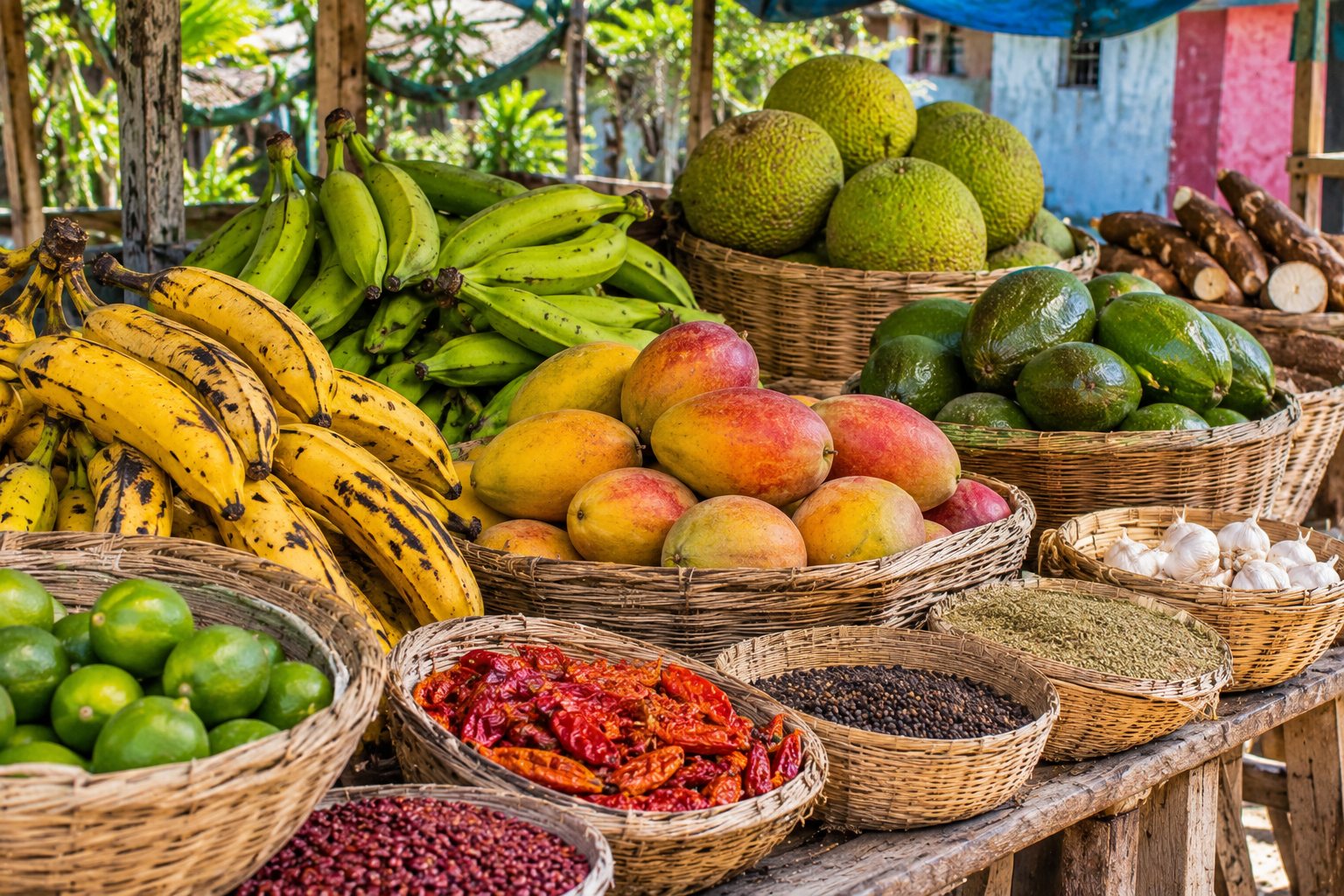
Almost every Haitian kitchen starts with epis, a green seasoning paste made from parsley, scallions, garlic, peppers, thyme and oil, often with a squeeze of lime or sour orange. Families blend a big batch and keep it in a jar, then use it to marinate meat, season beans and flavor rice. If you want to understand Haitian food, start here: epis is what makes so many dishes taste unmistakably Haitian.
12 Traditional Haitian Dishes
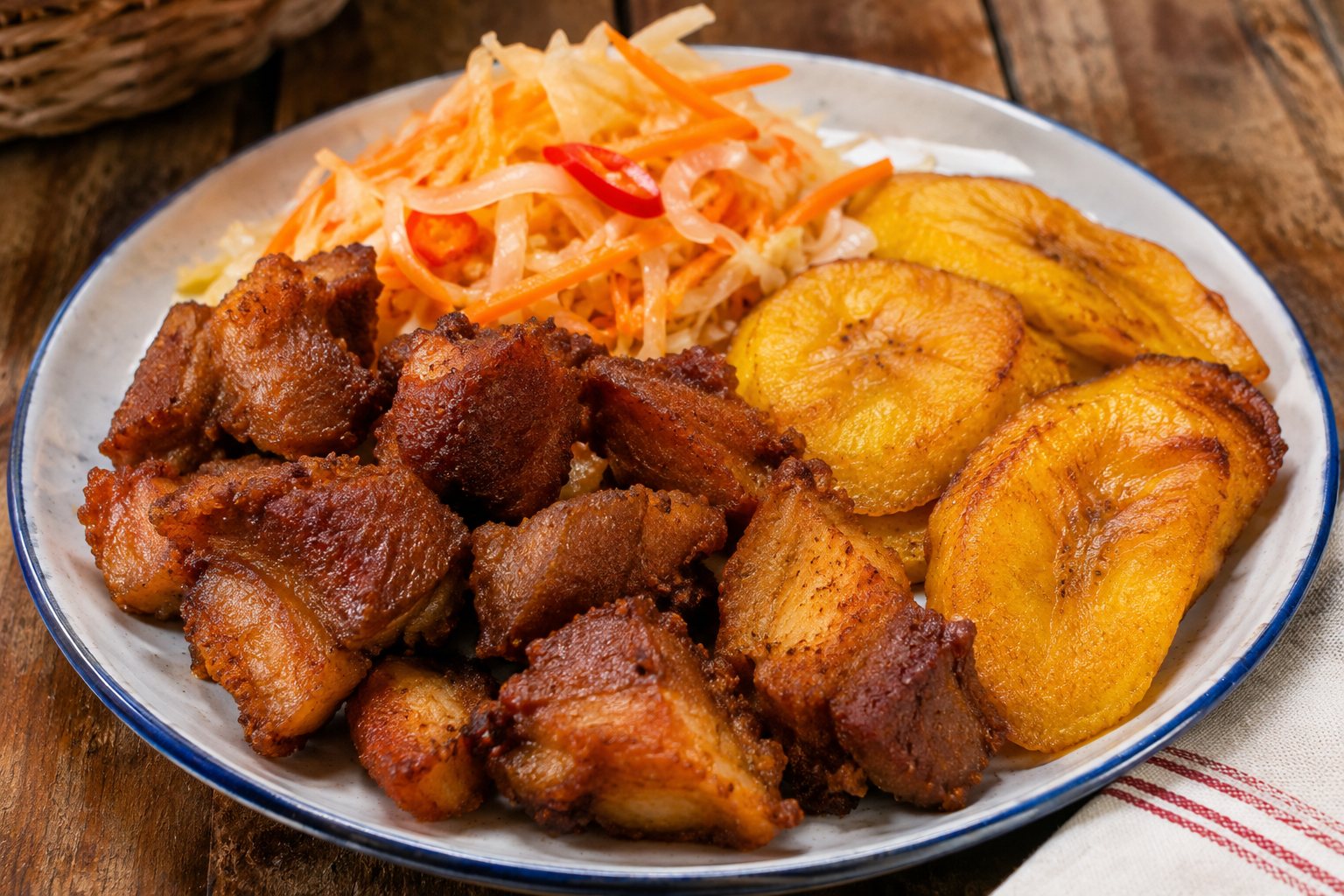
Griot (fried pork)
Griot is one of the most loved Haitian dishes. Chunks of pork shoulder are marinated in epis and sour orange, simmered until tender and then fried until crispy. It is almost always served with pikliz and fried plantains, and it is a favorite at parties, weddings and Sunday dinners.
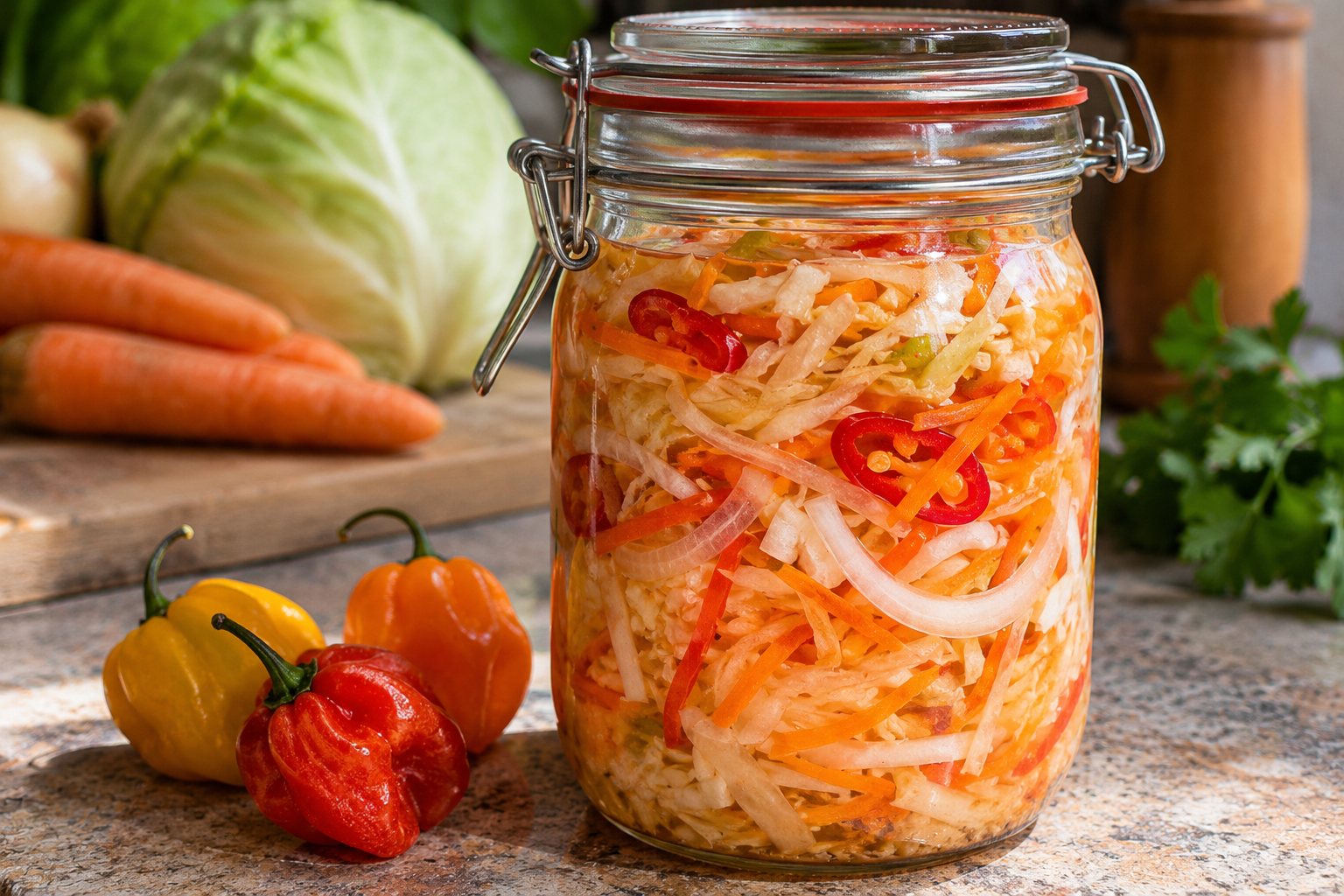
Pikliz (spicy pickled slaw)
Pikliz is a crunchy, fiery relish of shredded cabbage, carrots, onions and hot Scotch bonnet peppers soaked in vinegar and lime juice. It sits on nearly every Haitian table and cuts through rich fried dishes like griot and tasso.
Bannann peze (fried plantains)
Green plantains are sliced, fried, flattened and fried again until golden and crisp. Bannann peze are the classic side for griot and are just as popular as a snack with a little pikliz on top.
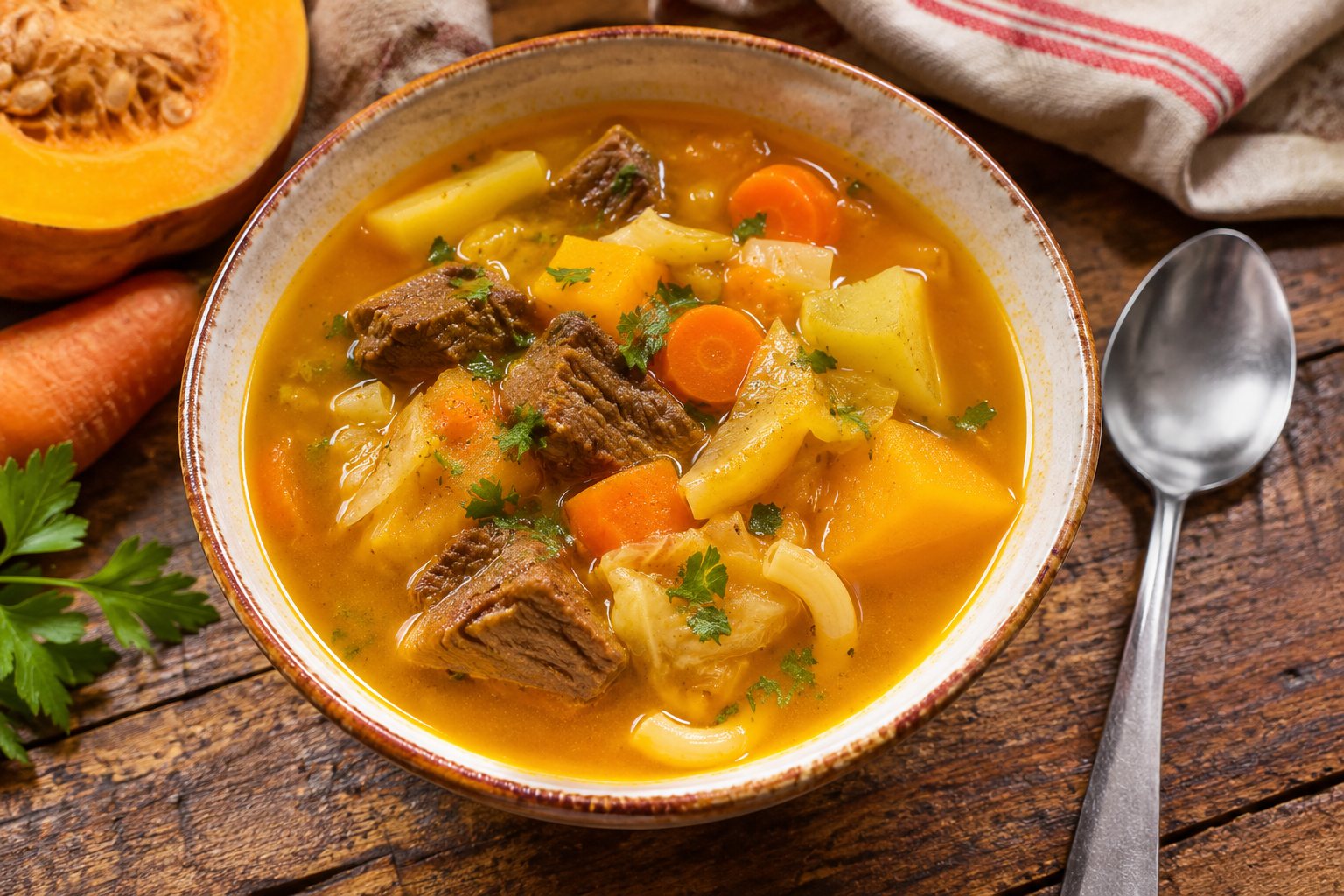
Soup joumou (pumpkin soup)
Soup joumou is a rich soup made with squash, beef, vegetables and pasta. Haitians eat it on January 1, Independence Day, because during colonial times it was a dish enslaved people were not allowed to eat. Today it is a symbol of freedom and was added to UNESCO intangible cultural heritage in 2021.
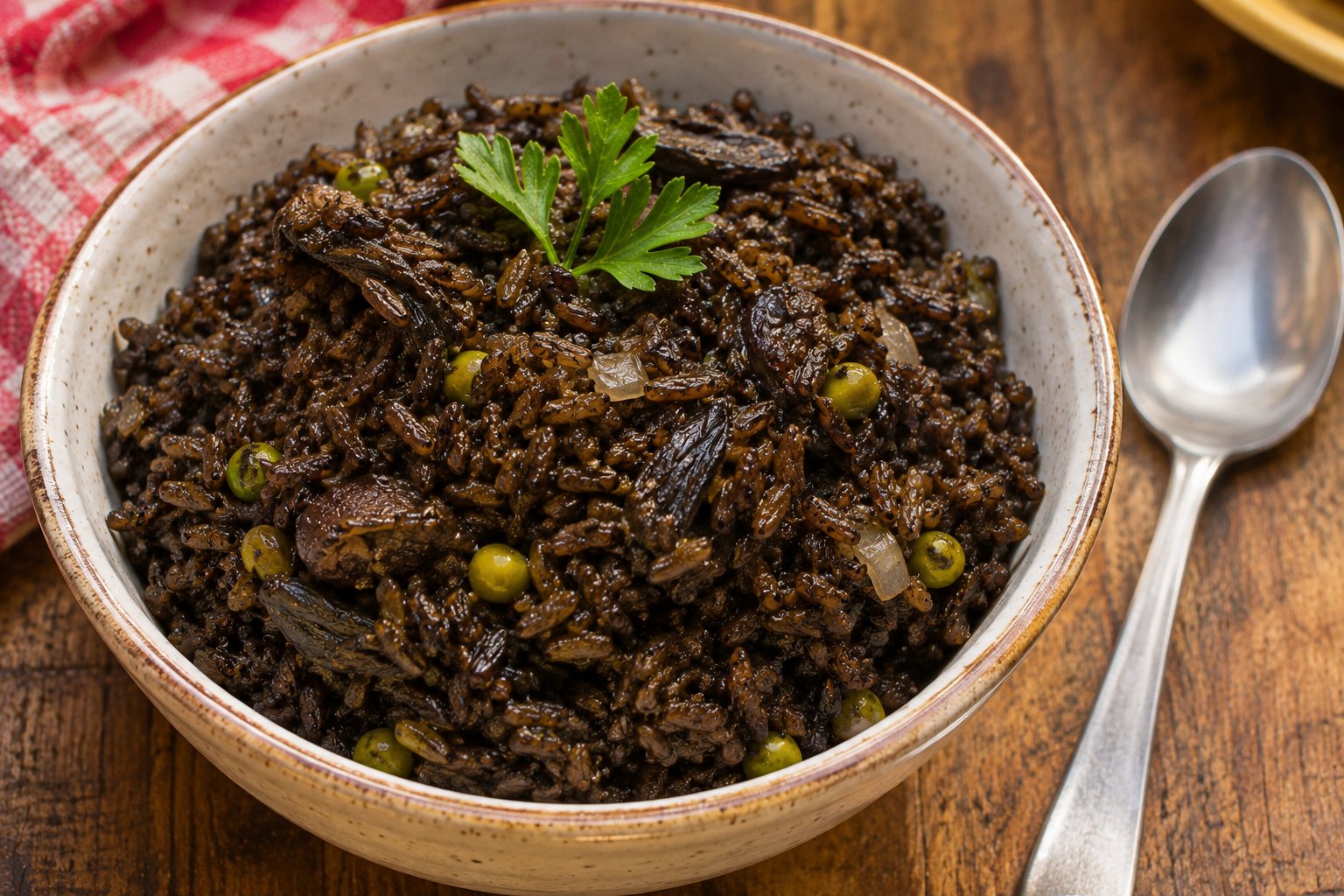
Diri ak djon djon (black mushroom rice)
Djon djon are small dried mushrooms from northern Haiti. When they are soaked, the water turns dark, and rice cooked in it takes on a deep gray color and an earthy, rich flavor. Diri ak djon djon is a dish for special occasions and is often served with green peas.
Diri ak pwa (rice and beans)
Rice and beans is the everyday heart of Haitian cooking. When the rice is cooked together with red or black beans it is called diri kole, and it is served with meat, fish, vegetables or a simple bean sauce. Many families eat it almost every day.
Legim (vegetable stew)
Legim is a thick stew of vegetables such as eggplant, cabbage, chayote and spinach, slowly cooked and mashed together, often with a little meat or crab for flavor. It is served over white rice and is a filling, comforting meal.
Mayi moulen (cornmeal)
Mayi moulen is cooked cornmeal, similar to polenta. It is one of the most affordable staples in Haiti and is often eaten with sos pwa, a smooth bean sauce, or with fish or vegetables.
Akra (malanga fritters)
Akra are crispy fritters made from grated malanga, a root vegetable similar to taro, mixed with epis and fried until golden. They are a popular street snack and a favorite at holiday gatherings.
Pate kode (fried patties)
Pate kode are fried pastries filled with seasoned meat, chicken or smoked herring. You can find them at street stalls and school gates, and they make a quick, filling snack on the go.
Tasso (fried goat or beef)
Tasso is meat, most often goat or beef, marinated in citrus and spices and then fried until it is crisp outside and tender inside. Like griot, it is usually served with pikliz and plantains.
Pen patat (sweet potato pudding)
Pen patat is a dense, sweet dessert made from grated sweet potato, banana, coconut milk, sugar and warm spices like cinnamon and nutmeg, baked until it sets. It is a classic Haitian treat for holidays and family gatherings.
What a Typical Haitian Meal Looks Like
Breakfast is often light: bread with peanut butter, a bowl of porridge, or Haitian style spaghetti with sliced hot dogs or herring. The main meal of the day is usually eaten in the afternoon and is built around rice and beans or cornmeal, with meat, fish or legim and a spoonful of pikliz on the side. Fresh fruit like mangoes and avocados fills the gaps in between when it is in season.
Food is also part of every celebration. Soup joumou opens the new year, griot comes out for birthdays and weddings, and Christmas brings its own traditions. You can read more about the holidays in our articles Christmas for Orphans in Haiti and Facts About Haiti.
Food in Haiti Today
Behind the rich flavors there is a hard reality. According to the World Food Programme, about half of Haiti's people face acute food insecurity, and children are among the most affected. For many families, putting rice and beans on the table every day is a real struggle.
That is why a daily meal matters so much. At Loving God Orphan Corporation in Gonaïves, the 23 children who live in our orphanage receive meals every day, along with a safe home, education and spiritual care, 365 days a year. More than 200 students learn in our school. You can meet our kids or learn about our mission.
Share a meal with a child in Gonaïves. A gift of any size helps provide daily meals, school supplies and care.
Donate SecurelyQuick Quiz: Haitian Food
Test yourself, then tap each question to see the answer.
1. What is epis?
AnswerA green seasoning paste of parsley, scallions, garlic, peppers and herbs used as the base of many Haitian dishes.
2. What is usually served with griot?
AnswerPikliz and fried plantains (bannann peze).
3. When do Haitians eat soup joumou?
AnswerOn January 1, Haitian Independence Day.
4. What gives diri ak djon djon its dark color?
AnswerDjon djon, small dried black mushrooms from northern Haiti.
5. What is pikliz made of?
AnswerShredded cabbage, carrots, onions and hot peppers pickled in vinegar and lime.
Frequently Asked Questions
What is the national dish of Haiti?
Soup joumou is often called Haiti's national dish because it is eaten on Independence Day and celebrates freedom. Griot with pikliz and fried plantains is one of the most popular everyday favorites.
Is Haitian food spicy?
Haitian food is full of flavor rather than always hot. Most of the heat comes from Scotch bonnet peppers, especially in pikliz, which you can add to taste.
What do Haitians eat for breakfast?
Common breakfasts include bread with peanut butter, porridge, eggs, or Haitian style spaghetti with hot dogs or herring.
What is pikliz?
Pikliz is a spicy pickled slaw of cabbage, carrots, onions and Scotch bonnet peppers in vinegar and lime. It is served with fried dishes like griot and tasso.
What are the most popular Haitian dishes?
Some of the most popular Haitian dishes are griot, soup joumou, diri ak djon djon, diri ak pwa, legim, akra and pen patat.
Every Child Deserves a Warm Meal
In Gonaïves, 23 children call our orphanage home and more than 200 students learn in our school. Your support helps put food on their table, every single day.
Share a Meal TodayPrefer GoFundMe? Give through our campaign
Secure payment through PayPal or GoFundMe | Registered 501(c)(3) nonprofit, Tax ID 47‑2339657
Sources: World Food Programme, UNESCO Intangible Cultural Heritage.